A Pharmacist’s Success with DocsInk’s athenahealth Integration
A pharmacist, driven by the desire to enhance patient care through innovative solutions, discovered DocsInk’s groundbreaking integration with athenahealth, offering a seamless approach to Remote Patient Monitoring (RPM). Intrigued by the possibilities, they decided to explore this advanced system to revolutionize patient care.
With ease and efficiency, the pharmacist logged into DocsInk’s RPM platform and ran an eligibility check. The system automatically identified patients who qualified for RPM based on chronic conditions and recent hospitalizations. Reviewing the list thoughtfully, the pharmacist flagged the patients who would benefit from closer monitoring through RPM.
The magic of the integration took over. DocsInk’s RPM system instantly generated personalized RPM programs for each patient, tailoring the RPM devices and monitoring parameters to their unique healthcare needs. The device dropshipping process proved to be a game-changer. As the pharmacist ordered the RPM programs, DocsInk automated the device delivery, notifying patients with precise shipment details and setup instructions.
With DocsInk’s ambitious KPI – onboarding 100% of eligible patients within 25 days – the pharmacist was motivated to achieve remarkable results. Patient after patient joined the RPM program, embracing the convenience and personalized attention they received. Thanks to the user-friendly integration with athenahealth, the pharmacist surpassed the KPI within an impressive 20 days. The RPM program significantly improved patient outcomes, strengthening patient-pharmacist relationships
(this is a quote) it can be in smaller print before the last paragraph) “DocsInk’s athenahealth integration has been a game-changer for our pharmacy practice. With their seamless RPM solution, we can now easily identify eligible patients, create personalized RPM programs, and have RPM devices dropshipped directly to patients. It’s incredibly efficient and has allowed us to focus more on patient care and proactive interventions. Thanks to DocsInk, we achieved our onboarding goal in record time, and our patients couldn’t be happier with the personalized attention they receive. I highly recommend DocsInk to any pharmacy looking to elevate their patient care and make a real impact.” – Nate Suck
This pharmacist’s success story showcases the power of innovation and dedication to patient care. With DocsInk’s athenahealth integration, pharmacists can streamline Remote Patient Monitoring, making a tangible impact on patient health. Discover how this advanced solution can elevate your pharmacy practice and redefine patient care. Join the journey to build a healthier future with DocsInk’s integrated RPM system.
DocsInk and OpiAID partner to improve success rates for Medically Assisted Treatment (MAT) and Substance Use Disorder (SUD) programs by up to 33%
DocsInk, a communication and clinical services integration platform, and OpiAID, a leading provider of clinical decision support technology for MAT/SUD programs, have announced a partnership to offer an integrated solution for organizations offering treatment for behavioral health and substance use disorders.
This partnership combines the strengths of both companies to provide a comprehensive solution for MAT/SUD programs with the potential to increase success rates by up to 33%.
Medically Assisted Treatment is the gold standard for treating patients with Opioid Use Disorder. While this treatment is highly effective, retention in most programs is poor. Failure in treatment leads to a vicious cycle of relapse. Today only 1 out of 3 patients are retained in care long enough to reach a lasting recovery. Clinicians lack timely and actionable data to support clinical decision-making that can help to prevent relapse or offer a just-in-time intervention that can save a life. Patients that remain in MAT programs typically save payors approximately $43,000 while clinical outcomes are significantly improved as well.
“The integration of DocsInk and OpiAID’s services has the potential to be a game-changer for providing specific client interventions. OpiAID’s timely and actionable insights support improved clinical decision making allowing for just-in-time interventions to prevent relapse and potentially save lives.”
– Rachel Crouse, Licensed Clinical Addictions Specialist and Certified Clinical Supervisor with over 10 years of experience at Coastal Horizons Center in Wilmington
The increasing national opioid epidemic takes a tremendous toll on families; children in households with opioid misuse are at higher risk for neglect, mental health problems, drug use, accidental opioid poisoning, and family dissolution resulting from foster care placement, parental incarceration, or death. Addressing and reversing the opioid epidemic is now, more than ever, a critically important public health priority.
Rachel Crouse continues, “Combining the insights from OpiAID with the remote patient monitoring and clinical services integration platform of DocsInk provides a 360-degree solution to improve care delivery and patient outcomes at Coastal Horizons.”
“We are excited to partner with OpiAID and offer a complete solution for behavioral health organizations,” said Brad Hinely, Co-Founder of DocsInk. “Our platform streamlines communication and clinical services, while OpiAID’s AI technology provides personalized clinical insights designed to significantly improve outcomes for those in medically assisted treatment (MAT) programs.”
OpiAID CEO David Reeser added, “Our technology simplifies clinical decision-making for the treatment of opioid use disorder. Partnering with DocsInk provides a complete solution that maximizes engagement and communication with the provider and patient.”
About DocsInk:
Founded in 2012, DocsInk is an award-winning Virtual Care Platform. Created with a collaborative care management focus, DocsInk’s open technology allows device manufacturers and Artificial Intelligence / Machine Learning services to create integrations to the most popular EHR systems and service thousands of the nation’s leading healthcare organizations.
About OpiAID:
OpiAID is a data science company on a mission to make addiction treatment safer and more effective by leveraging machine learning to help support clinical decision-making.
About Coastal Horizons
At Coastal Horizons, our mission is to provide a continuum of professional services to promote healthier lives, stronger families, and safer communities.
Bailey, G. L., Herman, D. S., & Stein, M. D. (2013, September). Perceived relapse risk and desire for medication assisted treatment among persons seeking inpatient opiate detoxification. Journal of substance abuse treatment. Retrieved March 2, 2023, from https://www.ncbi.nlm.nih.gov/pmc/articles/PMC4874241/
The emergence of telemedicine due to the COVID-19 pandemic has brought about a significant change in the way healthcare is delivered. As more and more healthcare providers have turned to telemedicine to provide care to their patients, the use of remote monitoring telemedicine has become increasingly common.
About Remote Monitoring Telemedicine
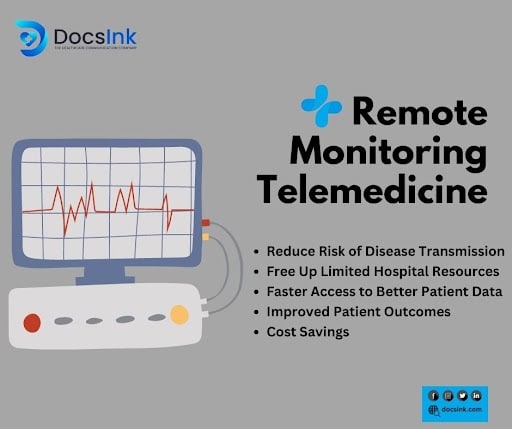
Remote monitoring telemedicine is a subset of telemedicine that focuses on the use of remote monitoring technology to monitor patients’ health conditions. With remote monitoring telemedicine, healthcare providers can use a variety of remote monitoring devices. Such as blood pressure cuffs, glucose monitors, and other devices, to track patients’ vital signs and receive alerts if there are any concerning changes. This allows healthcare providers to intervene and provide care more quickly, which can help prevent complications and improve patient outcomes.
The use of telemedicine and remote monitoring telemedicine has increased significantly during the COVID-19 pandemic, as healthcare providers have had to find new ways to provide care to their patients while maintaining social distancing measures. In many cases, telemedicine has been the only way for patients to receive care from their healthcare provider. It has allowed many patients to continue receiving care even during the height of the pandemic.
The benefits of telemedicine and remote monitoring telemedicine are numerous, and they extend to patients, healthcare providers, and payers. For patients, telemedicine allows them to receive care from the comfort of their own home, which can be especially beneficial for patients with mobility issues or who live in rural areas. It also allows patients to communicate more easily with their healthcare provider. This can help build a stronger relationship and lead to better health outcomes.
For healthcare providers, telemedicine allows them to expand their reach and provide care to more patients. It also enables providers to monitor their patients’ conditions more closely, which can help prevent complications and improve patient outcomes.
Benefits of Remote Monitoring Telemedicine
Telemedicine can help reduce provider burnout by allowing healthcare providers to deliver care to their patients more efficiently. With telemedicine, providers can use remote monitoring technology to track patients’ vital signs and receive alerts if there are any concerning changes. This allows providers to intervene and provide care more quickly, which can help prevent complications and improve patient outcomes. This can reduce the amount of time that providers spend on each patient, which can help prevent burnout.
In addition, telemedicine can reduce provider burnout by allowing providers to communicate with their patients more easily. With telemedicine, providers can conduct video visits with their patients, which can help build stronger relationships and improve communication. This can help reduce the amount of time that providers spend on administrative tasks, such as scheduling and rescheduling appointments, and allow them to focus on providing care to their patients.
For payers, telemedicine can save money by reducing the need for hospital visits and other costly interventions. It can also improve patient outcomes, which can lead to lower overall healthcare costs.
There are many telemedicine platforms available, and choosing the right one can be difficult. When deciding between the various options, there are a few things to consider. ‘
First:
It is important to choose a platform that is easy to use and intuitive. This will make it easier for both patients and healthcare providers to use the platform and get the most out of it.
Second:
Another important factor to consider is the security of the platform. Since telemedicine involves the sharing of sensitive health information, it is crucial to choose a platform that is secure and compliant with privacy regulations.
Third:
Finally, one of the most important factors to consider when choosing a telemedicine platform is the wide range of features and services it offers. A good platform should have a variety of features and services that can help healthcare providers deliver high-quality care to their patients.
Features of Telemedicine Platform
One of the key features of a telemedicine platform is the ability to conduct video visits with patients. With video visits, healthcare providers can communicate with their patients using video conferencing technology. This allows providers to see their patients in real-time, which can help them diagnose and treat patients more effectively.
Another important feature of a telemedicine platform is the ability to track and monitor patients’ vital signs. With remote monitoring technology, healthcare providers can track a range of vital signs. Such as heart rate, blood pressure, and blood sugar levels, and receive alerts if there are any concerning changes. This allows providers to intervene and provide care more quickly, which can help prevent complications and improve patient outcomes.
In addition to these core features, a good telemedicine platform should also offer a range of services. These can help healthcare providers deliver high-quality care to their patients. For example, some platforms offer appointment scheduling services. It can make it easier for patients to schedule appointments with their healthcare provider.
Another service that many telemedicine platforms offer is the ability to integrate with electronic health records (EHR) systems. This allows healthcare providers to access and share their patients’ health information more easily. This can help improve the quality of care delivered.
Some platforms also offer additional services, such as patient education and support services. It can help patients manage their health conditions more effectively. These services can include resources such as educational materials, support groups, and other tools that can help patients better understand and manage their health conditions.
Some of the best telemedicine platforms currently available include Teladoc, MDLive, and DocsInk. These platforms offer a range of features and services, and they are easy to use and secure.
Conclusion
Overall, the emergence of telemedicine due to the COVID-19 pandemic has brought about significant changes in the way healthcare is delivered. As more and more healthcare providers adopt remote monitoring into their practice, telemedicine platforms will continue to be used to deliver a wide range of healthcare services.
The healthcare industry is undergoing a significant shift from traditional fee-for-service models to value-based care models. Value-based care is a healthcare delivery model that focuses on improving patient outcomes and delivering high-quality care. Instead of being reimbursed based on the number of services provided. Healthcare providers are paid based on the quality of care they deliver and the outcomes they achieve for their patients.
One of the key components of value-based care is the use of performance metrics to measure the effectiveness of care. These metrics can include clinical outcomes, patient satisfaction, and cost efficiency. By tracking and measuring these metrics, healthcare providers can identify areas where they can improve the quality of care they deliver and make necessary changes to their care delivery processes.
In addition to improving patient outcomes, value-based care can also help control healthcare costs. By incentivizing healthcare providers to deliver high-quality, cost-efficient care, value-based care can help reduce the overall cost of healthcare. This can be especially beneficial in rural areas. Where access to care may be limited and healthcare costs may be higher.
The shift to value-based care models has led to an increase in the adoption of remote patient monitoring software. As they offer an efficient way to provide high-quality care to patients.
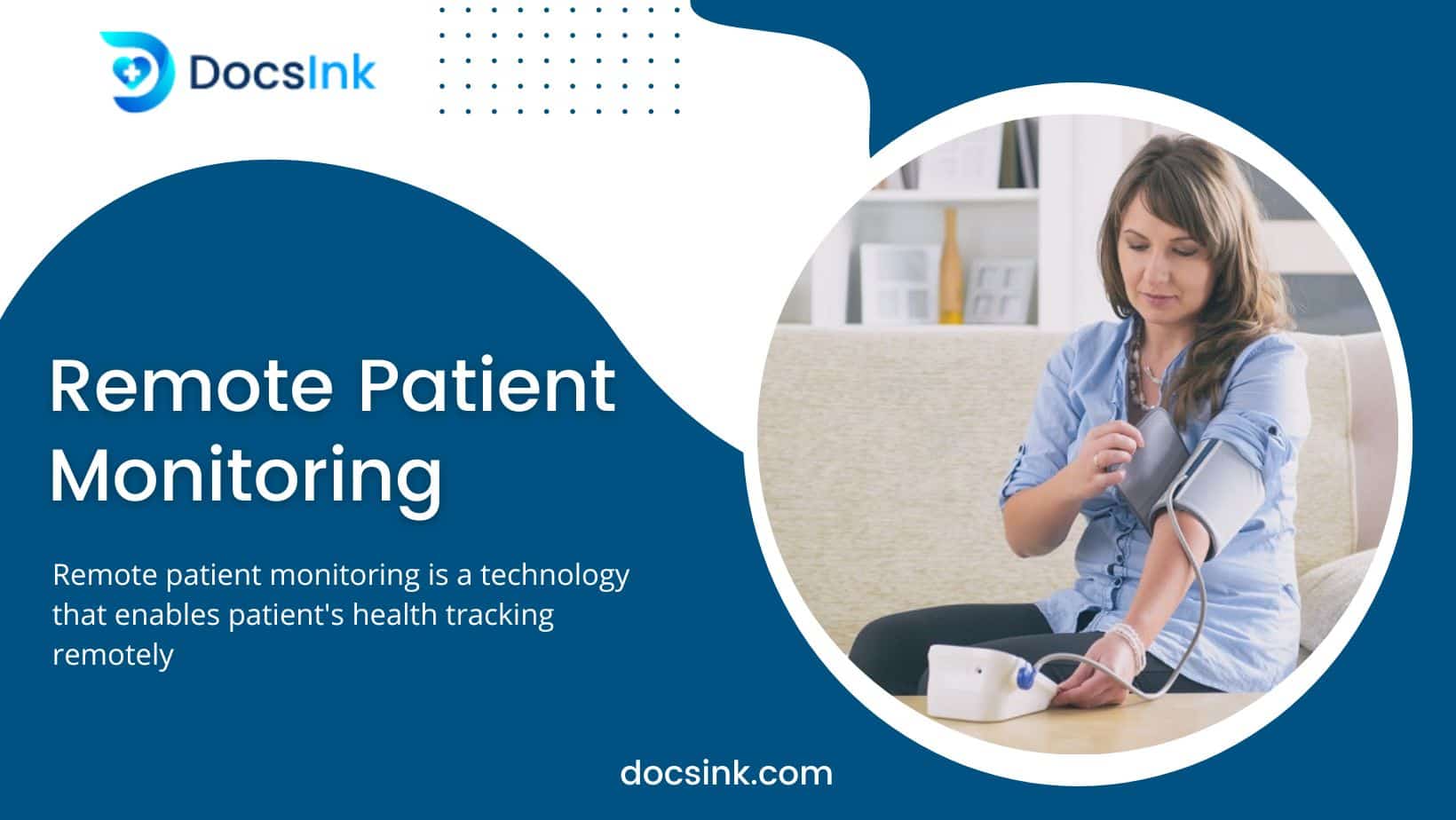
Remote patient monitoring services allow healthcare providers to remotely monitor the health of their patients using a variety of technologies, such as wearable devices and mobile apps. This allows providers to track patients’ vital signs, symptoms, and other important health information in real-time. By using remote patient monitoring services, providers can detect potential health issues early on and intervene before they become more serious.
One of the key benefits of RPM is that it allows patients to receive care from the comfort of their own homes. This can be especially beneficial for patients who may have difficulty traveling to a healthcare facility. Such as older adults or individuals with mobility issues. By providing patients with the ability to receive care remotely, RPM solutions can help increase their engagement with the healthcare system.
Helping RPM solutions
In addition, RPM solutions can help improve patients’ adherence to their treatment plans. By regularly monitoring patients’ health indicators and providing them with feedback. RPM solutions can help patients better understand their health conditions and the importance of following their treatment plans. This can help improve their overall health and reduce the risk of complications.
RPM solutions can also help healthcare providers better engage with their patients. By providing patients with regular updates on their health, RPM solutions can help healthcare providers build stronger relationships with their patients and improve their satisfaction with their care. This can help improve patient adherence and ultimately lead to better health outcomes.
A patient using a remote monitoring service for multiple years reported improved management of their chronic condition. She no longer has to visit the hospital as frequently, and she feels more in control of her health. Another patient uses a wearable device to monitor his blood pressure. It is reported that the device has helped him to identify potential health issues before they became more serious.
Benefits of Remote patient monitoring services
The adoption of remote patient monitoring services has also had a positive impact on the healthcare workforce. Below is a list of some of the reasons why health systems are implementing remote patient monitoring services.
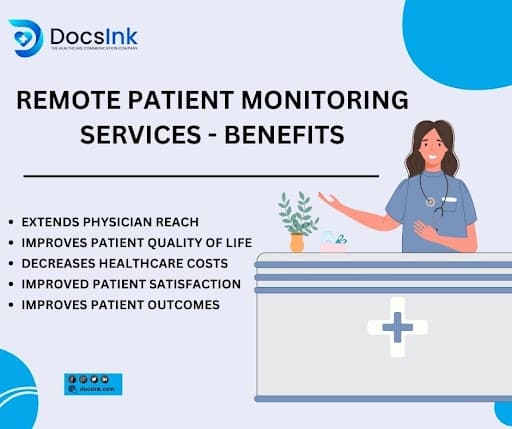
Improved work-life balance: One of the major challenges facing the healthcare workforce is the demands of the job, which can often lead to burnout. Remote patient monitoring services can help to alleviate some of this burden by allowing providers to monitor their patients remotely, which can free up time for other tasks. This can help providers to achieve a better work-life balance and reduce the risk of burnout.
Enhanced collaboration: Remote patient monitoring services can also improve collaboration among healthcare providers. By providing real-time data and insights into patients’ health, these services can facilitate more effective communication and coordination among providers. This can help to ensure that patients receive the best possible care, as providers can quickly and easily share information and collaborate on treatment plans.
Increased job satisfaction: Another benefit of remote patient monitoring services is that they can increase job satisfaction among healthcare providers. By providing providers with the tools and technologies they need to monitor their patients more effectively, these services can help providers to feel more in control of their work and more confident in their ability to provide high-quality care. This can lead to increased job satisfaction and a more positive work environment.
Views of practice administrator
Listen to what this practice administrator had to say about remote patient monitoring services:
As the administrative director of a rural healthcare clinic. I have seen firsthand the positive impact that remote patient monitoring (RPM) services can have on our staff and patients.
One of the biggest challenges we face in rural healthcare is ensuring that our patients have access to the care they need. Even when they are unable to physically visit our clinic. With RPM services, we are able to monitor our patients’ vital signs and other health indicators remotely. It allows us to provide timely care and intervene when necessary.
Not only does RPM help us provide better care to our patients. It also helps us reduce the number of unnecessary hospital visits and emergency department visits. This not only benefits our patients, but it also helps us control healthcare costs and better manage our limited resources.
From a staff perspective, RPM services have made our jobs easier and more efficient. By allowing us to monitor our patients remotely, we are able to spend more time on patient care and less time on administrative tasks. This has helped us provide better care to our patients and has also reduced burnout among our staff.
In addition, RPM services have helped us improve our patients’ satisfaction with their care. By providing them with more timely and convenient access to care. We have been able to improve their overall health and quality of life.
Overall, I highly recommend the use of RPM services in rural healthcare settings. By providing better access to care and improving patient outcomes. RPM services can help us provide high-quality care to our patients and better manage our limited resources.
Conclusion
In conclusion, the shift to value-based care models has led to an increase in the adoption of remote patient monitoring services. These services provide patients with better quality of care and can help to reduce provider burnout. By using remote patient monitoring services, healthcare providers can monitor their patients more effectively and intervene before potential health issues become more serious.
Remote monitoring healthcare is an emerging trend that involves the use of technology to monitor the health of patients from a distance. This allows healthcare providers to keep track of their patients’ health and provide timely care, even when the patients are not physically present at a healthcare facility. Remote monitoring can be used to manage both acute and chronic conditions, and can be especially beneficial for patients who have difficulty travelling to a healthcare facility or who require frequent monitoring.
Remote monitoring has the potential to revolutionise healthcare delivery by increasing access to care for undeserved populations, reducing the burden on already overstretched healthcare systems, and improving the efficiency and effectiveness of treatment. It also allows for earlier detection and intervention of health issues, potentially leading to better health outcomes and lower healthcare costs.
Several benefits of remote monitoring
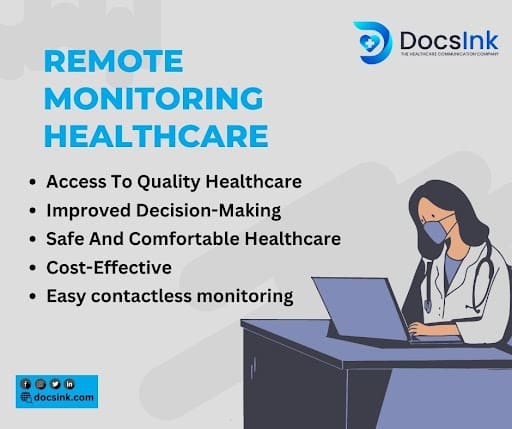
For patients, remote monitoring can provide several benefits. First and foremost, it can improve the quality of care they receive. By allowing healthcare providers to monitor their health remotely, patients can receive timely interventions and treatment that can help prevent their condition from worsening. This can be especially important for patients with chronic conditions, who may require regular monitoring to ensure that their condition is well-control.
Remote monitoring can also make healthcare more convenient for patients. Instead of having to travel to a healthcare facility for regular check-ups and monitoring. The patients can have their health monitored from the comfort of their own homes. This can be especially beneficial for patients who have mobility issues or who live in rural areas where access to healthcare facilities is limited.
For healthcare providers, remote monitoring can also provide several benefits. By allowing them to monitor their patient’s health remotely. It providers can save time and resources that would otherwise be spent on in-person visits. This can help providers to provide more efficient and effective care. While also allowing them to see more patients and provide care to a larger number of people.
Remote monitoring can also improve the quality of care provided by healthcare providers. By providing real-time data on patients’ health, remote monitoring can help providers to identify potential problems early. And intervene before the condition becomes more serious. This can help to prevent complications and hospital visits, which can be both costly and disruptive for patients.
For payers, such as insurance companies and government healthcare programs, remote monitoring can also provide several benefits. By allowing healthcare providers to monitor their patients’ health remotely, payers can save money on the cost of in-person visits and interventions. This can help to reduce the overall cost of healthcare, making it more affordable for both payers and patients.
Benefits of Remote Monitoring Healthcare
Remote patient monitoring (RPM) programs are customise healthcare programs that use technology to monitor the health of patients from a distance. These programs allow healthcare providers to collect data on their patient’s health and provide timely care. Even when the patients are not physically present at a healthcare facility. RPM programs can be customized to meet the unique needs of each patient. It allows healthcare providers to provide the most effective care possible.
One of the key benefits of RPM programs is that they can be customised to meet the specific needs of each patient. For example, a patient with a chronic condition, such as diabetes. And may require regular monitoring of their blood sugar levels to ensure that their condition is well-controllable.
An RPM program for this patient might include the use of a remote monitoring device that measures their blood sugar levels. And also transmits the data to their healthcare provider in real-time. This allows the provider to monitor the patient’s health and provide timely interventions as needed.
Another benefit of RPM programs is that they can customise to fit the individual preferences of each patient. For example, some patients may prefer to use wearable devices to monitor their health. While others may prefer to use devices that can be place in their home. RPM programs can get tailor to meet the preferences of each patient. It allows them to receive care in a way that is most comfortable for them.
Customized RPM programs
RPM programs can also get customise to fit the specific needs of each healthcare provider. For example, some providers may want to use RPM programs to monitor the health of their patients with chronic conditions. While others may want to use them to provide post-discharge care to patients who have recently discharge from the hospital.
RPM programs can tailor to meet the specific needs of each provider. It allows them to provide the most effective care possible. As the technology continues to advance, RPM programs are likely to become an increasingly important part of the healthcare landscape.
Remote monitoring in healthcare is typically done using specialise devices. Such as wearable sensors and monitoring devices that use in the home. Remote monitoring devices can measure a variety of health-related data. Such as heart rate, blood pressure, and blood sugar levels, and transmit the data to healthcare providers in real-time. This allows providers to monitor their patients’ health and provide timely care. Even when the patients are not physically present at a healthcare facility.
Conclusion
In conclusion, remote monitoring in healthcare is an emerging trend that holds great promise for patients, providers, and payers. This technology allows healthcare providers to track their patients’ health remotely, improving care, convenience, and cost. As the technology continues to advance, it is likely that remote monitoring will become an increasingly important part of the healthcare landscape.
Patient monitoring companies are a growing industry in healthcare, as more and more patient’s health system, and their providers turn to technology to improve care and outcomes. These companies offer a range of services and products. It including RPM devices that allow patients to track and share their health data with their care team from the comfort of their own homes and help reduce costs.
RPM devices can include wearable sensors, smart devices, or other technology that can monitor a patient’s vital signs. This data can be automatically transmitted to the patient’s care team, allowing them to track the patient’s health in real time. RPM can also include telehealth services, such as virtual visits with a healthcare provider or other care team member.
Some Examples of RPM
Many patients have found RPM to be a valuable tool in managing their chronic conditions, such as diabetes, heart disease, or hypertension. Medical devices transform healthcare delivery and improve patient satisfaction. Just listen to what Jane had to say.
Jane, a 38-year-old with type 2 diabetes, says that her RPM device has helped her stay on track with her medication regimen and make healthier lifestyle choices. “Before I started using the device, I was struggling to keep my blood sugar levels under control,” she says. “Now, I can see my levels throughout the day and make adjustments to my diet and exercise plan as needed. It’s made a huge difference in my health and quality of life.”
RPM is also beneficial for patients with complex or serious health conditions, as it allows their care team to monitor their health. Just take this patient’s experience for example.
Sarah, a 56-year-old with heart failure, says that her RPM device has given her peace of mind and improved her health. “I was always worried about my heart health and whether I would have another cardiac event,” she says. “But now, my care team can monitor my heart function and other vital signs and let me know if there are any changes. It’s been a huge relief for me and my family.”
Patient monitoring companies offering RPM
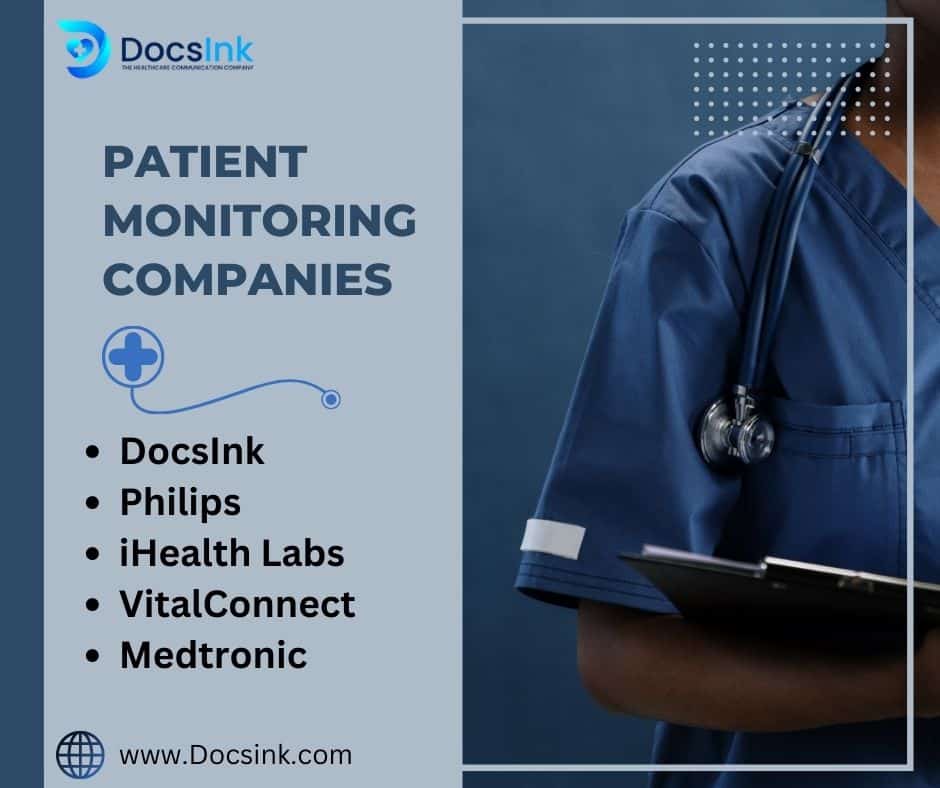
There are several patient monitoring companies that offer RPM services and products, including Medtronic, Philips, and DocsInk. These companies provide a range of devices and services, from wearable sensors to telehealth platforms, to meet the needs of different patients and healthcare systems. Many of these companies also offer support and education for patients and their caregivers, as well as integration with electronic health records and other healthcare technologies.
Overall, patient monitoring companies are playing a vital role in improving the care and outcomes of patients with chronic conditions or complex health needs. With RPM, patients can better manage their health and avoid costly and potentially dangerous complications, while healthcare providers can provide more personalized and timely care. As technology continues to advance, patient monitoring companies will continue to be at the forefront of healthcare innovation.
In addition to remote patient monitoring (RPM), patient monitoring companies may also offer other services and products, such as outsourced clinical services or in-house managed care programs. These programs can help healthcare providers and patients manage chronic conditions, reduce hospitalizations and healthcare costs, and improve overall health and quality of life.
Outsourced clinical services
Outsourced clinical services refer to the practice of hiring a third-party company. They manage certain aspects of a patient’s care, such as medication management, disease management, or care coordination. This model allows healthcare providers to focus on delivering high-quality care. Also avoid being overwhelmed by administrative tasks or resource constraints. It can also provide patients with access to specialized expertise and support that may not be available in their local area.
For example, a primary care clinic may hire a patient monitoring company to manage the care of their patients with diabetes. The company would provide education, support, and medication management for these patients, as well as regular check-ins and monitoring to ensure that their diabetes is well-controlled. This can help the clinic provide better care for their patients and avoid costly hospitalizations or complications from uncontrolled diabetes.
In-house managed care programs
In-house managed care programs, on the other hand, refer to the practice of managing a patient’s care within the healthcare provider’s own organization. This can include things like disease management clinics, care coordination teams, or other specialized programs. The benefit of this model is that it allows the healthcare provider to have control over the patient’s care. And a deeper understanding of the patient’s needs and preferences.
For example, a hospital may offer an in-house managed care program for patients with heart failure. This program could include regular check-ups with a provider, medication management, and lifestyle support, such as exercise and nutrition counseling. The program would be run by the hospital’s own staff, allowing for better coordination between the patient’s care team. This can help the hospital provide better care for their patients and reduce the risk of hospital readmissions.
Both outsourced clinical services and in-house managed care programs have their benefits and drawbacks. Outsourced clinical services can provide access to specialized expertise and support. But may not be as closely integrated with the patient’s overall care. In-house managed care programs can provide better coordination and communication. But that may be limited by the healthcare provider’s resources and expertise. Ultimately, the best approach will depend on the patient’s needs and preferences. And the capabilities and goals of the healthcare provider.
Different Services and Products by RPM
Patient monitoring companies offer a range of services and products. That includes RPM, outsourced clinical services, and in-house managed care programs or rpm programs. These programs can help patients manage their chronic conditions, and improve their overall health and quality of life. Whether outsourced or in-house, these programs can provide valuable support and expertise to patients and healthcare providers alike.
Remote patient monitoring (RPM) programs can be an effective tool for helping patients lose weight and improve their overall health. However, the best clinical approach to these programs will depend on the patient’s needs, preferences, and goals.
One clinical approach to RPM for weight loss is to use wearable sensors or other technology. It tracks the patient’s physical activity, diet, and other health metrics. This data can be automatically transmitted to the patient’s care team. They can provide feedback and support to help the patient make healthier choices. For example, a patient’s care team may recommend increasing their daily step count, or increasing diet.
Another clinical approach is to use RPM to provide regular check-ins and support for the patient. This can include telehealth visits with a healthcare provider or other care team member. As well as educational materials and resources to help the patient make healthier choices. For example, a patient’s care team may provide them with a personalized weight loss plan. As well as guidance on how to incorporate exercise and healthy eating into their daily routine.
Conclusion
In conclusion, remote patient monitoring is an important healthcare technology that is changing the way healthcare is delivered. By allowing providers to monitor their patient’s health remotely, it can improve patient engagement. Also generate additional revenue, and improve the quality of care. As more providers adopt this technology, it is likely to become an essential part of the healthcare landscape.

Recent Comments